




Protecting Your Family from Mould: A Practical Home Guide
by The Dew Team on Jun 15, 2026
Protecting your family from household mould comes down to four things: control humidity to below 60%, fix moisture sources quickly, monitor the vulnerable spaces in your home, and act on the early signs before mould spreads. Children, elderly family members, and anyone with asthma, allergies, or compromised immunity are most at risk — and the everyday spaces where mould grows are often the same places they spend the most time.
Why family-focused mould protection matters
Mould isn't equally harmful to everyone. The same household exposure can cause no noticeable issues for one family member and ongoing health problems for another. The people most affected:
- Babies and young children: Developing immune and respiratory systems, plus more time spent at floor level. Our piece on mould and kids goes deeper into the research.
- Elderly family members: Often have reduced immune function and may already have respiratory conditions.
- Anyone with asthma or allergies: Mould is a known trigger — see our piece on the link between humidity, mould, and asthma.
- People with compromised immune systems: Including cancer patients, transplant recipients, and people on immunosuppressant medication.
- Pregnant women: Some studies suggest links between mould exposure and pregnancy complications.
For a deeper look at the health science, our overview on how mould actually affects your health covers the research base.
Where mould most commonly affects families
Children's bedrooms
Often the worst-affected rooms because: they're frequently the smallest in the house, doors stay closed, soft furnishings (toys, books, soft pelmets) absorb moisture, and children breathe in this air for 10–12 hours overnight. Keep humidity below 55% in kids' rooms and check wardrobes seasonally.
Bathrooms
Where moisture is generated daily. If your bathroom mirror fogs frequently, you have ventilation issues that affect the whole family. Our piece on bathroom condensation covers the practical fix.
Laundries
Wet washing, damp towels, and the warmth of dryers all combine to create mould-prone conditions — our article on laundry room mould covers this in detail.
Wardrobes
The mould you don't see until you smell it. Clothes, leather, and stored items in damp wardrobes affect anyone wearing them.
Living rooms with carpet
Carpets and upholstered furniture hold humidity. In humid climates, carpet padding can grow mould underneath without any visible signs above.
The whole-of-home factors
Poor ventilation, single-pane windows that condense in winter, walls shared with bathrooms, and tightly sealed modern homes all elevate baseline humidity. Our piece on the new-build moisture problem covers why newer Australian homes often have surprisingly bad mould issues.
The family mould protection plan
1. Know your home's humidity
A hygrometer in each main living area gives you the data to act on. Aim for 45–55% relative humidity throughout the home. Our guide on how to test humidity in your home covers the basics.
2. Use moisture absorbers in the high-risk spaces
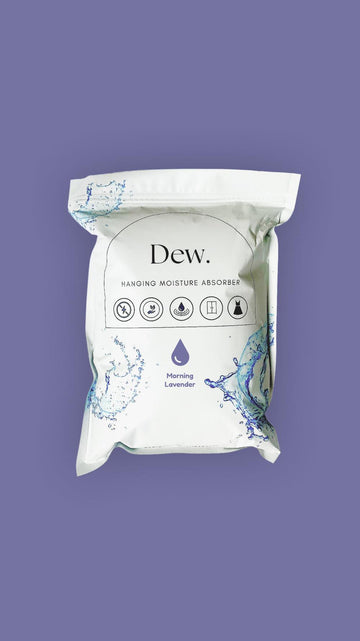
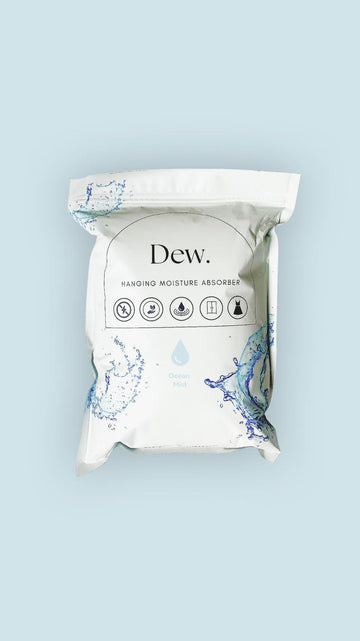
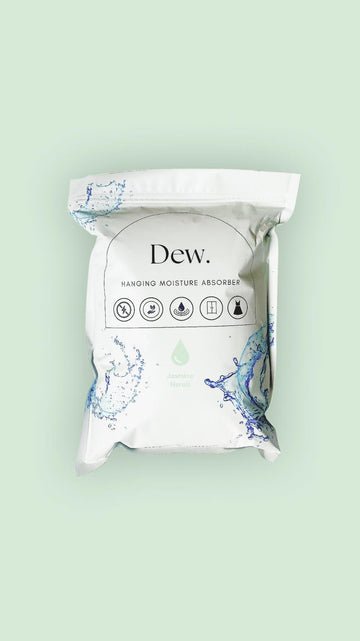
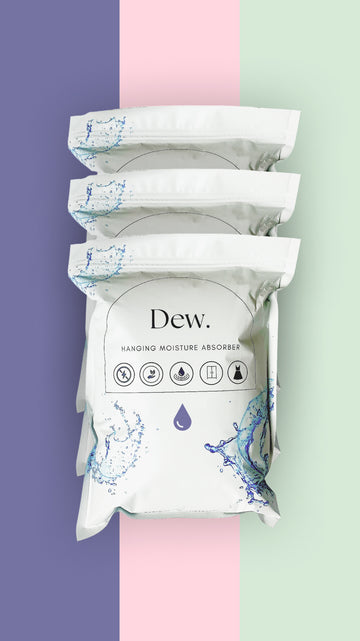
Place Dew. Moisture Absorbers in:
- Every bedroom wardrobe
- The linen closet
- The laundry
- Any bathroom cupboards
- The pantry if dry goods are storing damp
- Storage cupboards and any space with poor airflow
They work passively for 45–90 days at a time without electricity, making them practical for the kind of distributed coverage a family home needs.
3. Improve ventilation everywhere you can
- Run bathroom exhaust fans for 20+ minutes after every shower
- Open windows daily, even briefly
- Don't dry washing inside on humid days if you can avoid it (see our piece on drying clothes indoors without creating moisture problems)
- Open wardrobe and cupboard doors regularly
4. Address moisture sources immediately
Leaks, spills, condensation, and weather damage need same-day attention. Mould can start growing within 24–48 hours of fabric or porous surfaces getting wet.
5. Make seasonal home checks a family habit
Quarterly walk-throughs of: under sinks, behind washing machines, around windows, the corners of wardrobes, behind kids' toys and storage, the laundry. Five minutes per room, four times a year, catches problems early.
6. Watch for symptoms across the family
If multiple family members have persistent colds, sinus issues, asthma flare-ups, or unexplained fatigue that improves when they're away from home, take a serious look at the home environment.
Mould and children: a special note
Children are particularly vulnerable because their immune systems are still developing, they breathe more rapidly than adults, and they spend more time at floor level (where humidity settles) and in their own bedrooms. Symptoms in kids can include:
- Persistent coughs that don't fit a cold pattern
- Frequent ear or sinus infections
- Skin rashes that come and go
- Fatigue or behaviour changes
- Asthma symptoms that worsen at home
If you suspect mould is affecting a child, treat the home environment alongside any medical care — the symptoms often won't fully resolve until both happen.
When to bring in professionals
Call in expert help if:
- Mould covers more than 1m² in any one location
- It keeps coming back after thorough cleaning
- You suspect mould is behind walls or in ceiling cavities
- A family member's health issues haven't resolved after your environmental changes
- You see black mould (Stachybotrys), which is best handled by specialists
For severe health-related cases, an indoor air quality assessment can identify mould you can't see and quantify exposure levels.
Frequently asked questions
How do I know if mould is affecting my family's health?
The key tell is symptoms that improve when family members are away from home (holiday, hospital stay, away with friends) and return when they come back. Persistent unexplained respiratory, skin, or fatigue symptoms across multiple family members are worth investigating.
Are children more affected by mould than adults?
Yes. Children's developing immune and respiratory systems, faster breathing rate, and floor-level activity make them more vulnerable. The research consistently shows higher rates of asthma, sinus infections, and allergic symptoms in children living in mould-affected homes.
How quickly will family health improve once mould is addressed?
Acute symptoms (sinus issues, eye irritation) often improve within days. Chronic issues like asthma can take weeks to settle as airway inflammation resolves. Be patient and combine environmental changes with any medical treatment your doctor recommends.
What's the best way to keep family-home humidity in check?
A combination approach works best: bathroom exhaust fans used properly, regular ventilation, moisture absorbers in enclosed spaces, and a hygrometer in each main living area. No single tool handles a whole family home on its own — but moisture absorbers are an easy, low-effort way to cover the cupboards and wardrobes that other methods miss.
Protecting family from mould isn't about reacting after problems appear. It's about building habits and a home environment that quietly prevent them — humidity in check, moisture sources caught fast, and the spaces your most vulnerable family members spend time in actively maintained.


